
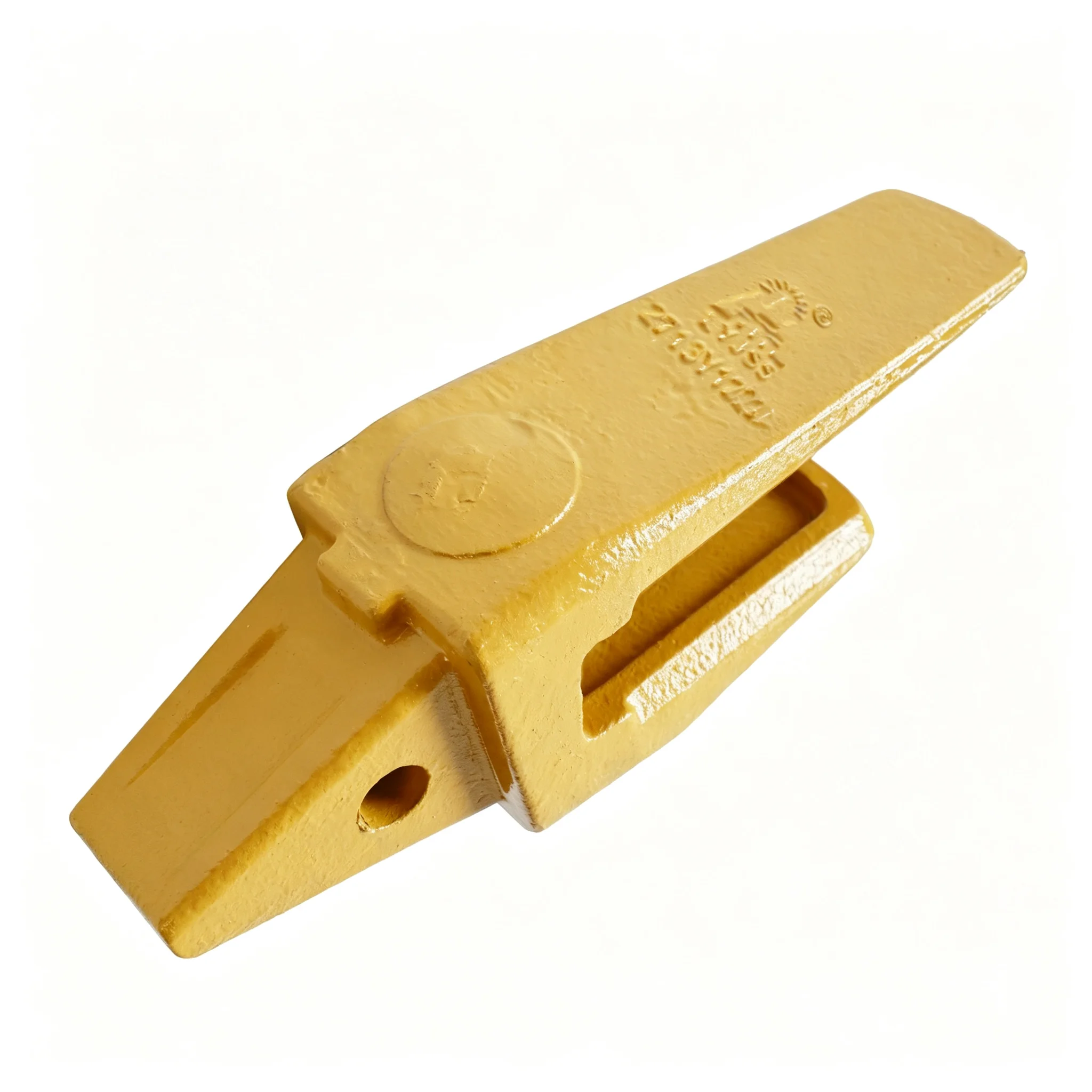
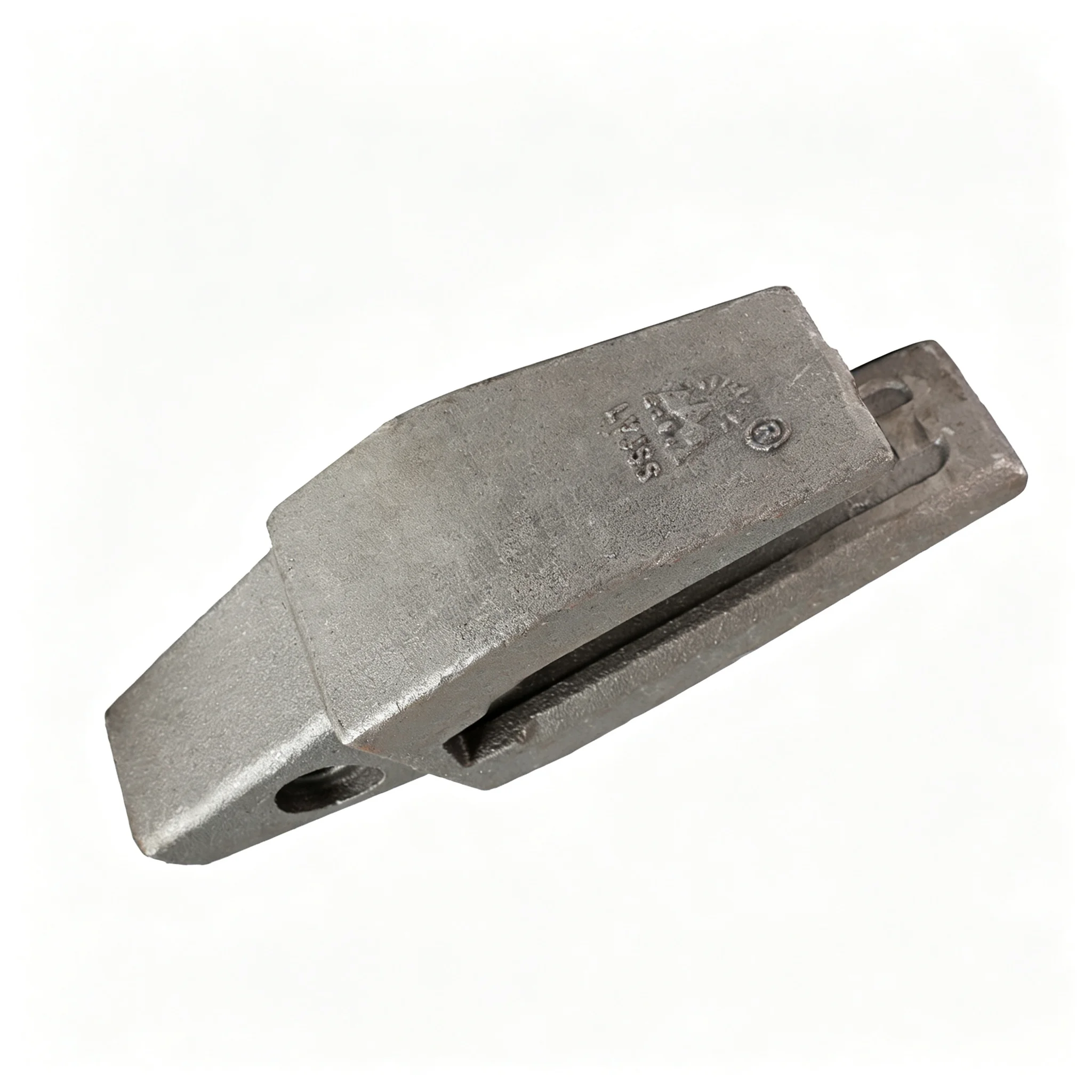
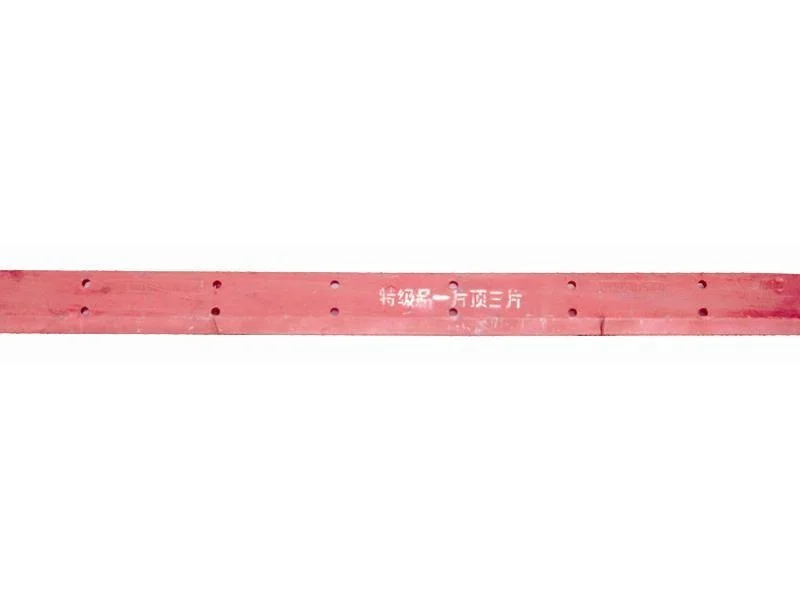
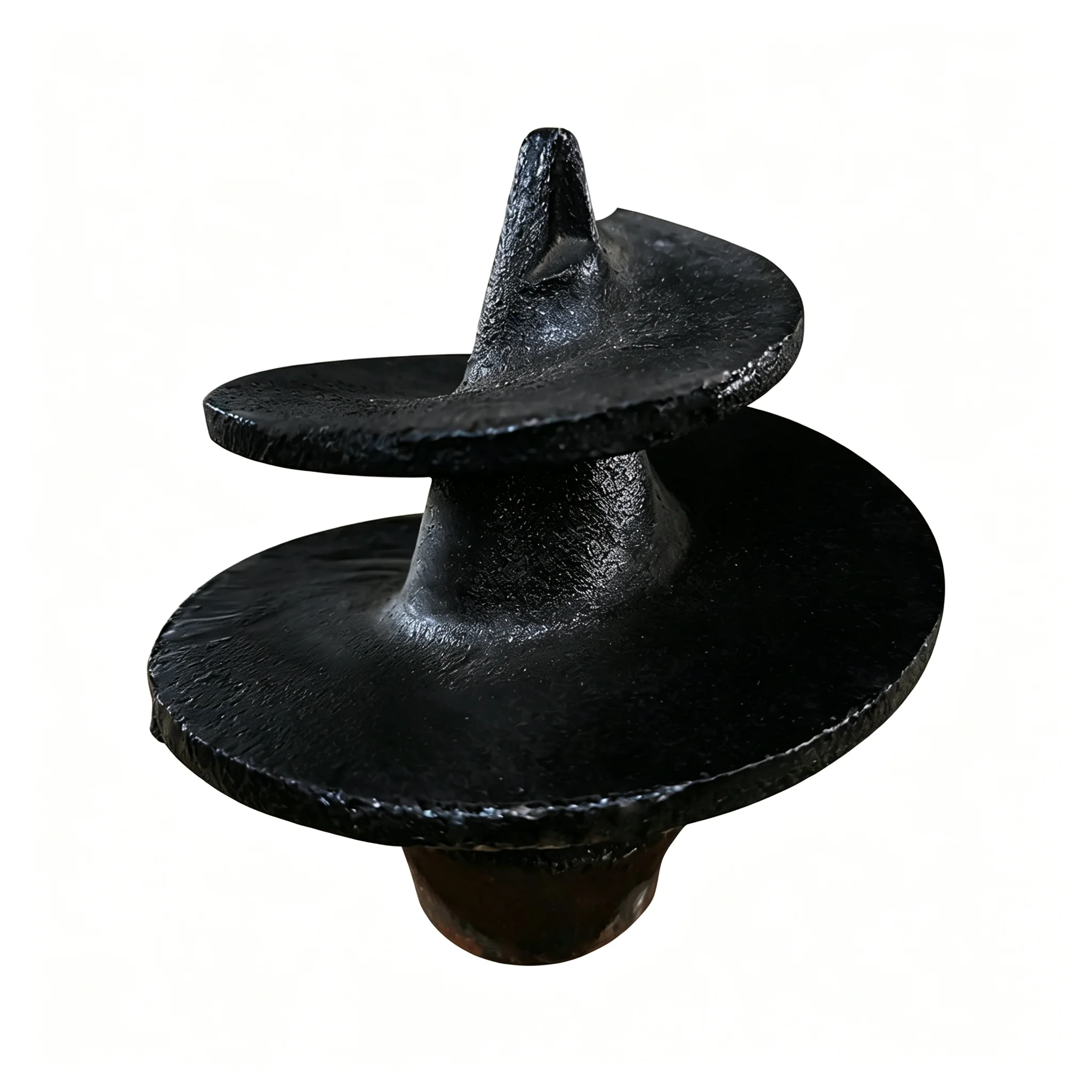
Geometry & connection
Overall size, wall sections, mounting interfaces and critical tolerances.
CUSTOM CASTINGS / PROJECT REVIEW
Turn a drawing, sample or existing component into a defined casting inquiry. Start with what you have; identify the details that need a technical review.
Drawing-based requirements · Sample references · Part modifications
THREE WAYS TO BEGIN
A complete specification helps, but the first conversation can begin with a reference.
Include the revision, material specification, critical dimensions and required quantity.
Start with this →Show the complete part, connection details and measured dimensions. Describe the working conditions.
Start with this →Provide the part number, equipment reference and the changes you need. Confirm dimensions rather than relying on a model alone.
Start with this →A USEFUL REFERENCE
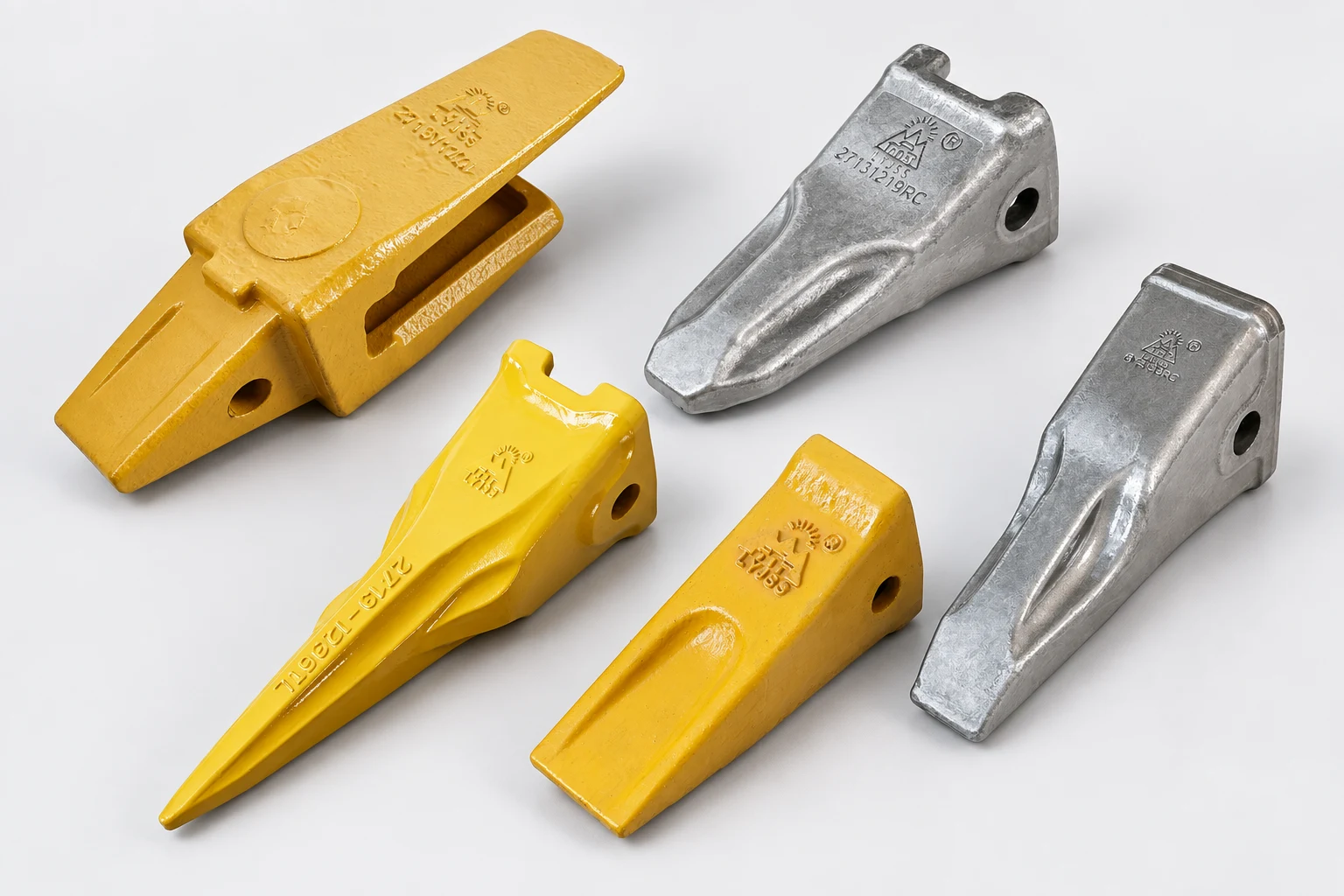
These catalog families provide a starting point for discussion. Custom geometry and fit require their own review.
BEFORE A QUOTATION
A useful inquiry describes both the component and its working conditions. Highlight the dimensions and performance requirements that matter most.
Build your project brief →Overall size, wall sections, mounting interfaces and critical tolerances.
Specified grade, wear conditions, loading, temperature and any known failure mode.
Manufacturing route, tooling, machining allowances, heat treatment and surface requirements.
Drawing revision, inspection points, required records and sample approval criteria.
FROM BRIEF TO AGREEMENT
Each stage depends on the agreed specification and quotation.
Drawing, sample, photographs or an existing part number.
Clarify geometry, material, manufacturing route and inspection.
Agree scope, tooling, quantity, price and delivery requirements.
Confirm drawings and any sample or inspection milestones before proceeding.
LET’S DEFINE YOUR PART
Capture the information available now. Leave unknown specifications open for discussion.
Contact details
BEFORE YOU START
Specific manufacturing commitments are confirmed during project review.
Start with clear photographs, a part reference and any measurements you have. A complete specification may still be needed before manufacturing can be agreed.
Describe the working conditions, existing material and wear or failure issue. Material and process options can then be discussed; suitability must be confirmed for the specific part.
Part geometry, material, tooling, machining, inspection and quantity all affect the quotation. These details are confirmed after reviewing the project.
Identify the closest catalog reference and mark the dimensions, connection, material or marking you want to change. The revised specification requires a separate review.
Contact us to agree confidentiality requirements and a suitable document-sharing method before sending restricted information.