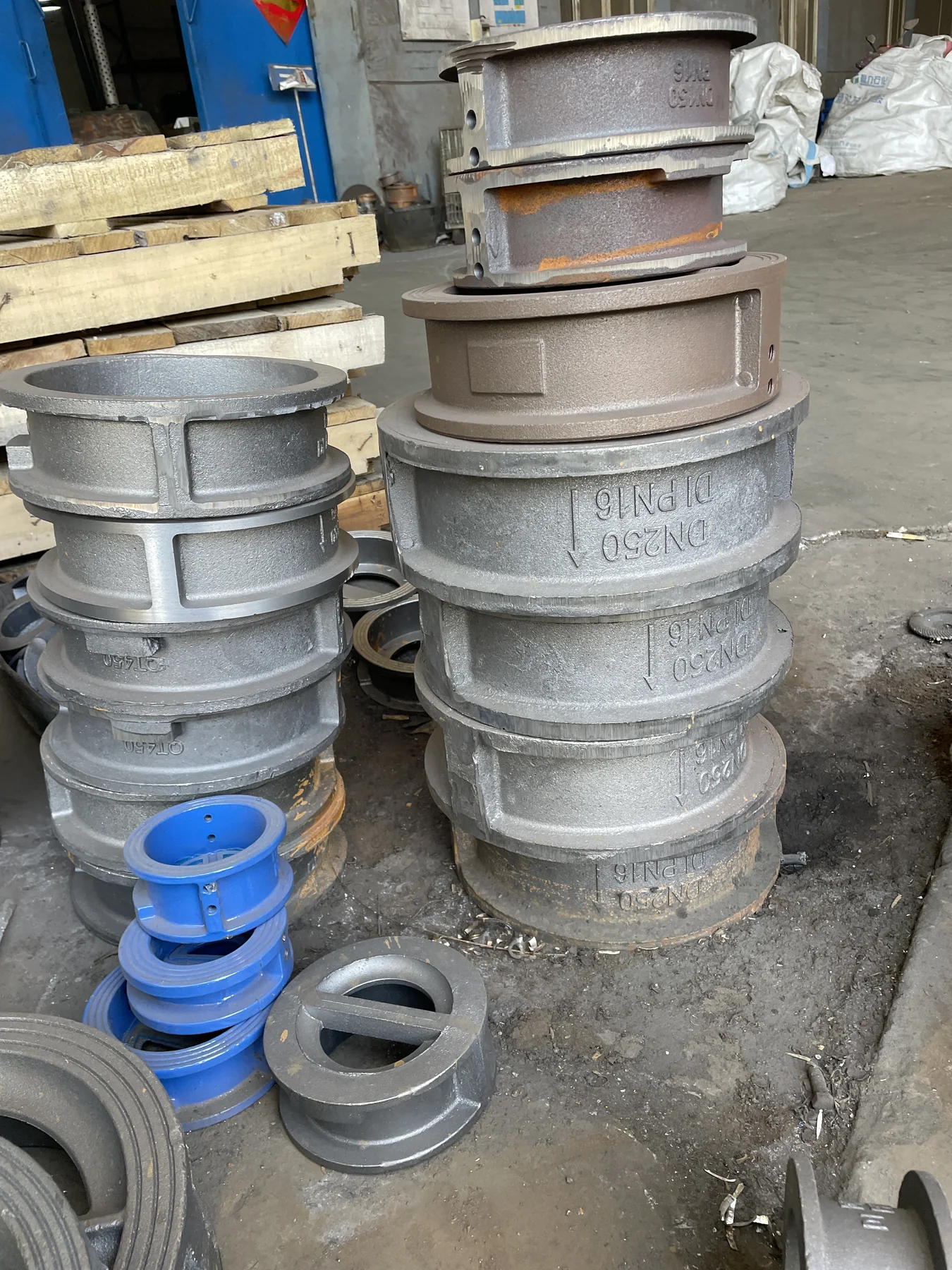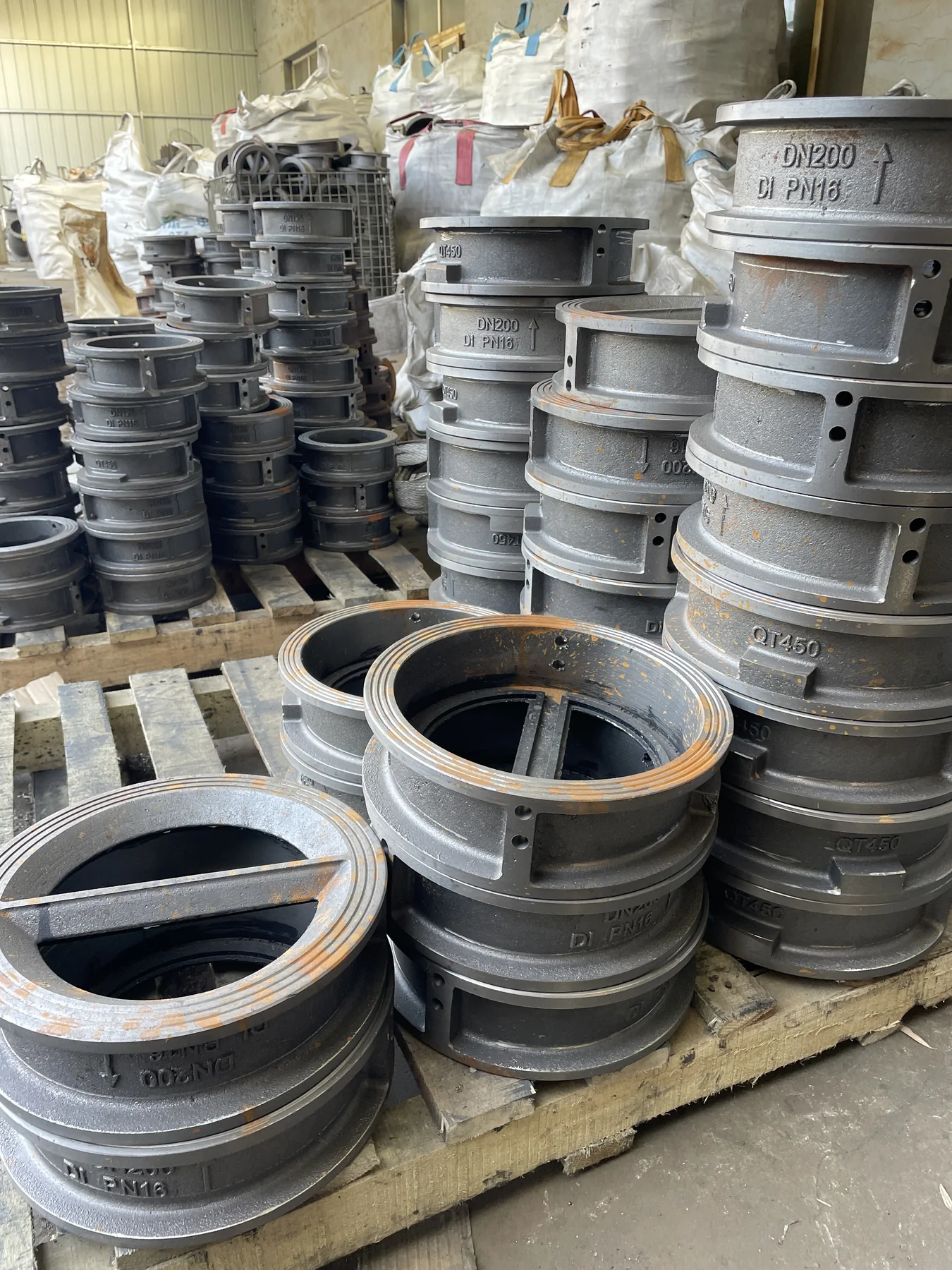
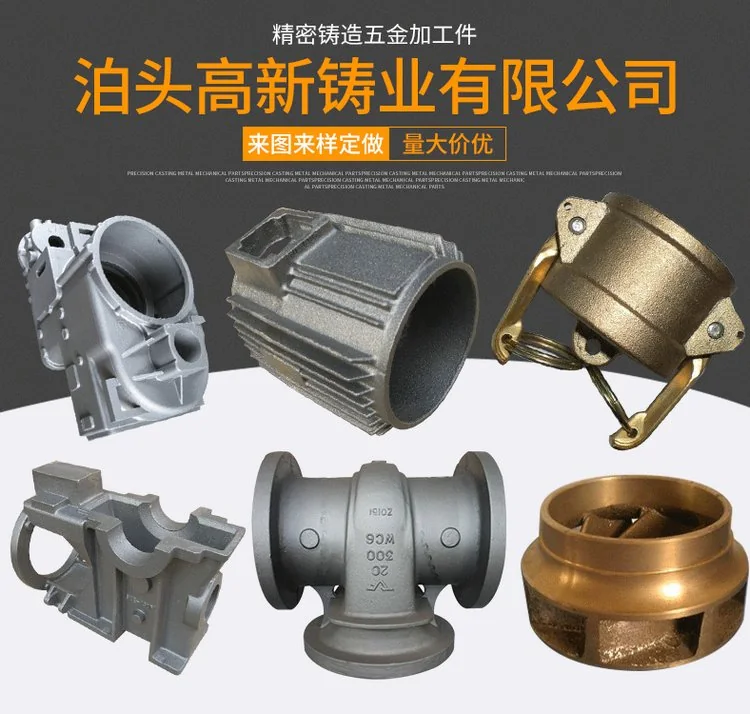
Pump Bodies & Housings
- Material
- Grey iron · Ductile iron · Cast steel
- Process
- Green sand casting
- Application
- Industrial pumps and flow systems
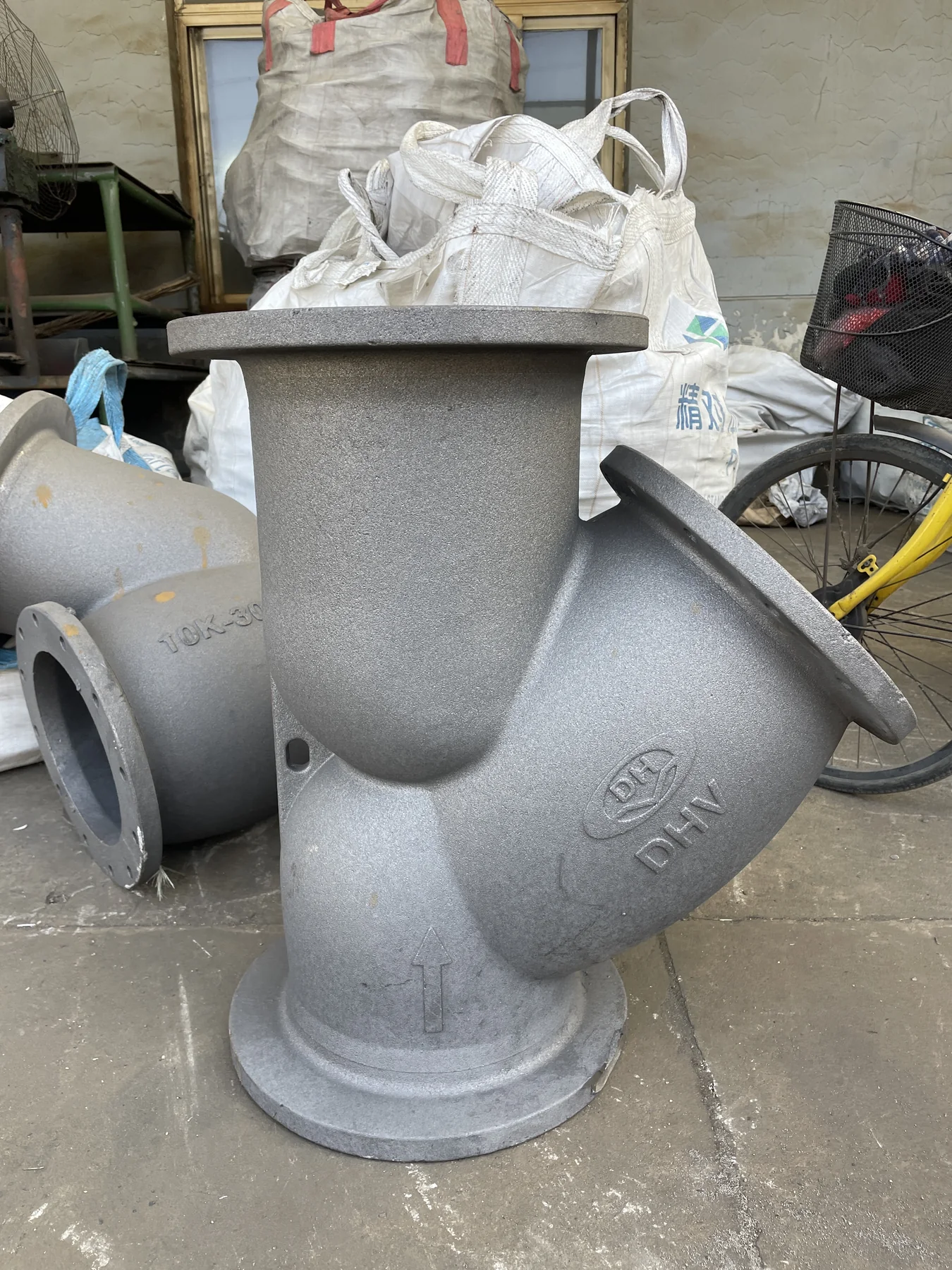
INDUSTRY CASTING SOLUTIONS
Flow-control castings for pump and valve assemblies, with geometry, pressure-bearing considerations, sealing surfaces, machining and inspection requirements reviewed together.
Industrial pump and valve bodies + impellers, discs and sealing surfaces
01 / FEATURED CAST COMPONENTS
Product cards connect the industry use case to an existing product route or a focused RFQ discussion.


02 / PRODUCT CATEGORIES
Product categories organize the search around the function and equipment interface instead of a random list of products.
Bodies, housings and rotating components shaped around flow paths and interfaces.
Flow-control bodies and closure components where sealing and pressure requirements guide the route.
Connection and distribution components for piping and industrial fluid systems.
03 / TYPICAL APPLICATIONS
Use the equipment or system closest to your project to find a focused starting point.
Bodies, covers, impellers and bearing interfaces for water, process and industrial pumping equipment.
Valve bodies, discs and covers where sealing surfaces, fit and flow passage quality matter.
Cast fittings, flanges and manifolds that connect equipment into a process system.
Components reviewed around wall thickness consistency, internal defects, machining allowance and sealing surfaces.
04 / MATERIALS FOR THIS INDUSTRY
Material families shown here are starting points. Exact grades, treatment and documentation are confirmed against the customer specification.
A practical option for selected pump and valve bodies where strength, machinability and cost efficiency are balanced.
Typical applicationsPump bodies · Valve bodies · Pipe fittingsUsed for selected pressure-bearing or structurally demanding bodies after service conditions and inspection requirements are confirmed.
Typical applicationsValve bodies · Bonnets · Pump housingsA corrosion-resistance option to review for fluid-contact parts and demanding service environments.
Typical applicationsValve bodies · Pump components · Flow-control partsConsidered for selected components where strength, wear or heat-treatment requirements go beyond a general cast iron route.
Typical applicationsValve parts · Pump components · Special castings05 / RECOMMENDED CASTING PROCESSES
Only processes relevant to this industry are shown. Final selection depends on geometry, material, quantity and required quality.
Smaller complex valve and flow-control parts
Pump bodies, housings and medium-to-large castings
Selected smaller housings and components
06 / PRESSURE-BEARING CONSIDERATIONS
For pumps and valves, casting, cores, machining and inspection requirements should be discussed as one connected system.
Review section changes, cores and machining allowance around the pressure boundary.
Agree the required internal quality and any inspection documentation before production.
Define datums, machining allowance and finish requirements for gaskets and seats.
Select checks according to material, geometry, customer specification and application requirements.
07 / CUSTOM CASTING CAPABILITIES
Send the information already available. The team can then confirm the manufacturing route, missing inputs and the useful basis for quotation.
Review drawing revisions, critical dimensions and the information needed for a manufacturable route.
Use available 3D data to discuss geometry, tooling and machining references.
Start with a sample, photo or equipment reference when a drawing is not yet available.
Confirm material, hardness and application requirements before quotation.
Match product references, fitment and customer identification requirements.
Align tooling, sample review and repeat production around the confirmed project scope.
08 / MACHINING & SECONDARY OPERATIONS
Secondary operations are reviewed according to the drawing, application and agreed delivery condition.
Process and material selection starts from the component geometry and application.
→Application-matched heat treatment is discussed where the confirmed material and part require it.
→Machining requirements, datum references and fit-critical dimensions are reviewed with the drawing.
→Cleaning, shot blasting and other finishing requirements are confirmed per part.
→The inspection plan is aligned with material, geometry, application and customer requirements.
→Identification and packing are agreed around part protection, labeling and shipment requirements.
09 / QUALITY & INSPECTION
Inspection methods and records are selected according to the confirmed customer specification. The listed checks are discussion points, not blanket claims for every part.
Material grade and required documentation are checked against the agreed specification.
Hardness requirements are confirmed for parts where wear or fit performance depends on them.
Critical dimensions, interfaces and machining references are checked against the drawing.
Surface condition, casting appearance and finishing requirements are reviewed before packing.
10 / HOW WE MANUFACTURE YOUR CASTINGS
Melting, molding, pouring, finishing, machining and inspection are connected into a project-specific route.
12 / FAQ
Green sand, shell moulding and investment casting can be considered depending on the body size, geometry, material, quantity and required surface detail.
Stainless steel castings can be discussed for pump and valve components after the material specification, service conditions and project scope are confirmed.
Internal passages can be reviewed through the drawing, 3D model and core requirements. The final route depends on geometry, wall thickness and inspection needs.
Machining of sealing surfaces can be included when the drawing defines the datums, tolerances, allowance and surface requirements.
Inspection requirements are selected according to material, geometry, customer specification and application. Confirm the required methods and records during technical review.
Yes. Drawings, models, samples and material specifications can be used to establish a project-specific manufacturing route and quotation.
REQUEST A QUOTE
Send us your drawing, material requirement, quantity and application. Our team will review the project and recommend a suitable manufacturing route.