
Tooling and pattern preparation
The part geometry, shrinkage allowance, gating and required surface condition are reviewed before the pattern tooling is prepared.
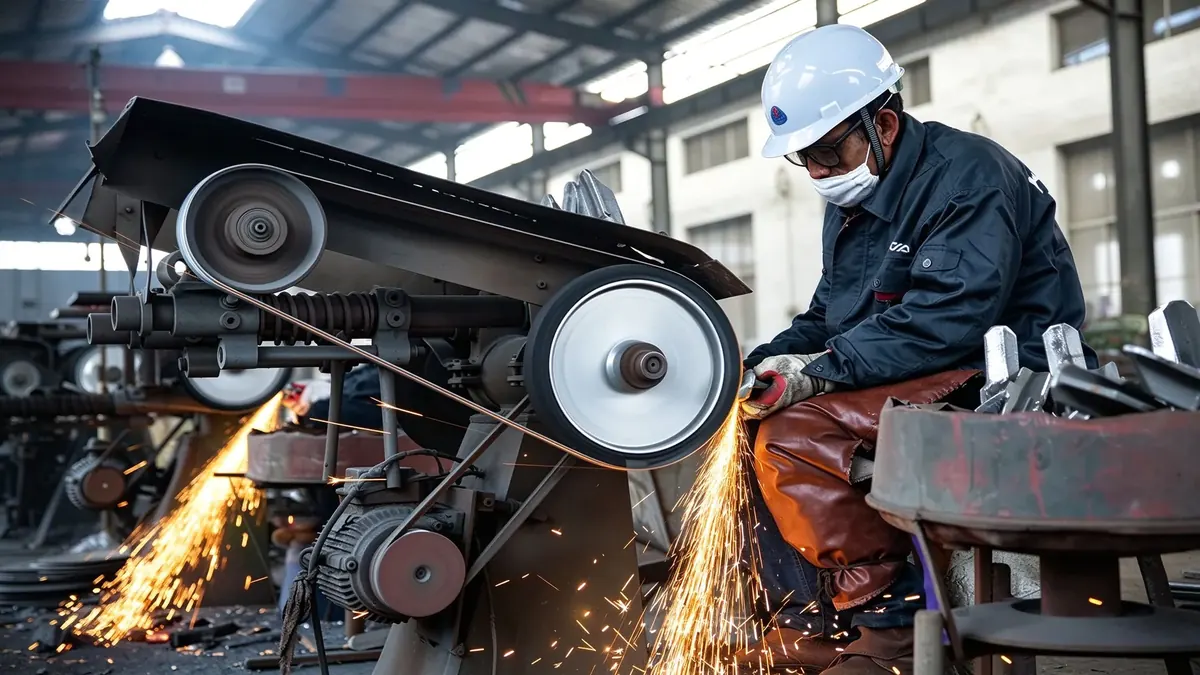
A precision route using a disposable pattern and ceramic shell for smaller components where detail, surface finish and dimensional control justify the process.
Investment casting, also known as lost-wax casting, begins with a wax or polymer pattern that is coated to form a ceramic shell. The pattern is removed before the alloy is poured into the shell. The method can reproduce fine detail and complex profiles with less parting-line limitation than conventional moulding, making it suitable where precision reduces machining or enables a difficult geometry.
The exact controls, material grade and acceptance documents are confirmed against the part requirement.
The part geometry, shrinkage allowance, gating and required surface condition are reviewed before the pattern tooling is prepared.
Disposable wax or polymer patterns are produced and assembled into a tree or runner system so multiple parts can be processed consistently.
The pattern assembly is repeatedly coated and stuccoed to build a ceramic shell with the required strength and surface condition.
The pattern is removed from the shell, the shell is prepared and the selected alloy is poured under the agreed process conditions.
The ceramic shell is removed, gates are cut, surfaces are finished and the parts are inspected against the drawing and agreed documentation scope.
Investment castings may receive gate removal, light finishing, heat treatment, machining on critical faces and dimensional or visual inspection. The required tolerance, surface condition and documentation are confirmed from the drawing before quotation.